Indian Matchmaking Culture - What Western Men Should Understand
Indian matchmaking is a structured, multi-layered process that has produced some of the world's most enduring marriages for millennia. Understanding its core elements empowers you to navigate the process with confidence and respect - transforming what might seem unfamiliar into your greatest advantage.
The Biodata Tradition and Its Modern Evolution
The traditional Indian biodata is essentially a detailed dating profile - centuries before dating apps existed. It includes education (degree, institution, field), career (position, company, salary range), family background (parents' occupations, siblings), physical attributes, and sometimes astrological details. While this may seem transactional to Western eyes, it reflects a deeply practical approach to compatibility: Indian culture believes that aligned backgrounds create stronger foundations for lifelong partnerships.
Modern Indian dating platforms have digitized this tradition. Shaadi.com - India's largest matrimonial site with over 35 million profiles - essentially functions as a digital biodata exchange. But younger Indian women increasingly bypass formal biodata in favor of dating apps that let them control the narrative. The key insight? Whether she shares a biodata or a dating profile, an Indian woman is communicating her values, her family's expectations, and her vision for the future. Read carefully - it's all there.
Kundli Matching and Horoscope Compatibility
Many Indian families - particularly Hindu families - consult a kundli (birth chart) to assess astrological compatibility before approving a marriage. A pandit (priest) compares the couple's charts based on 36 gunas (qualities), with a minimum of 18 matching gunas considered favorable. While this practice varies by region and family orthodoxy, don't dismiss it - for her family, it's a meaningful step. A 2024 survey by Matrimony.com found that 56% of Indian families still consult horoscopes, though urban families increasingly treat it as advisory rather than mandatory.
What does this mean in practice? Be open-minded. If her parents request your birth details (date, time, place of birth), provide them graciously. Even if astrology isn't your belief system, participating demonstrates respect for her family's traditions - and that respect is the currency of trust in Indian culture.
Navigating Caste Considerations in Modern India
The caste system - a historical social stratification system - still influences some Indian families' partner preferences. However, intercaste marriages have surged: a 2025 India Human Development Survey found that intercaste marriages tripled over the past two decades, reaching 18% nationally and 31% in metro cities. Cross-cultural marriages with foreigners face different dynamics entirely - most educated, urban Indian families evaluate Western partners based on character, career stability, and genuine intentions rather than caste affiliation.
The bottom line: caste is becoming less relevant in cross-cultural relationships, but cultural sensitivity matters. Ask her about her background with genuine curiosity rather than treating it as a checkbox. Indian women appreciate partners who acknowledge India's complexity without reducing it to stereotypes. Similar navigational wisdom applies when exploring Bangladeshi women dating, where family structure and community standing play parallel roles.
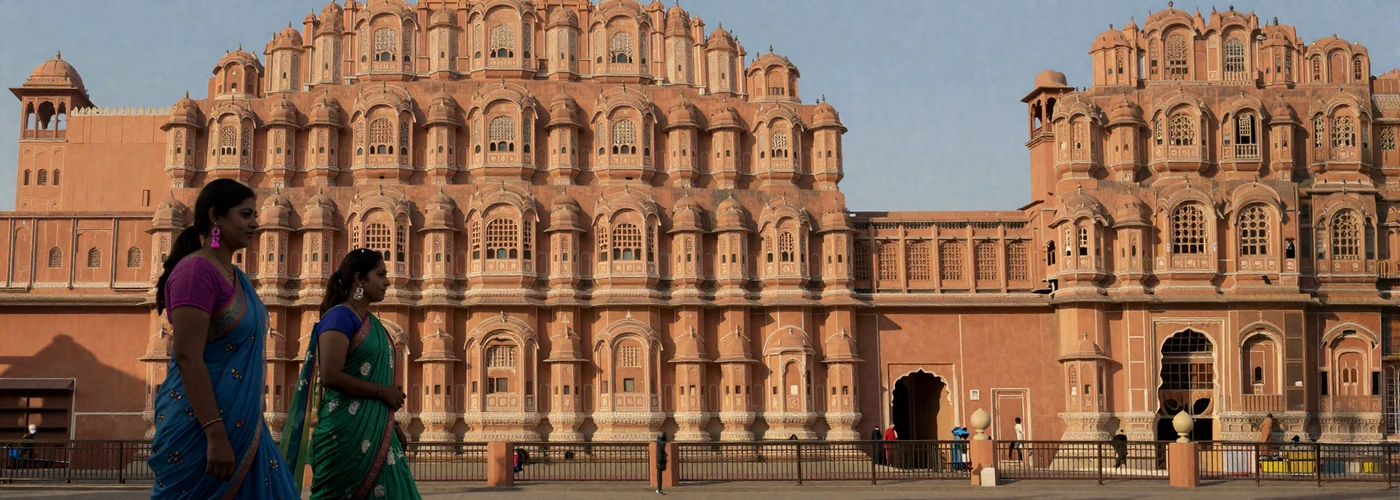
When I told my parents I wanted to marry an American, my mother's first question wasn't about his religion or background - it was "Does he respect our family?" When Robert flew to Jaipur and touched my father's feet as a gesture of respect, my entire family knew he was the one. That single gesture spoke louder than any biodata ever could.
- Priya M., 31, Jaipur - married to Robert from Texas