Persian and Islamic Traditions in Tajik Courtship and Marriage
Tajik courtship and marriage traditions represent a uniquely beautiful fusion of pre-Islamic Persian customs and Sunni Islamic practices. This blend creates a relationship culture that is simultaneously ancient and deeply personal - where poetry, ceremony, and family approval interweave to form bonds that last generations. According to UNICEF (2025), Tajikistan's marriage traditions remain among the most culturally preserved in Central Asia, with 89% of couples incorporating traditional elements into their unions.
The Nikoh Ceremony - A Sacred Covenant
The nikoh (Islamic marriage ceremony) is the spiritual centerpiece of every Tajik wedding. Unlike a Western civil ceremony, the nikoh is performed by an imam and requires the bride's explicit consent, a mahr (bride gift agreed upon by both families), and the presence of witnesses. The mahr in Tajikistan is typically symbolic - jewelry, gold, or a promised gift - but its significance is profound: it represents your commitment to her financial security and dignity. The ceremony itself is intimate, usually conducted in the bride's family home before the larger celebration.
Here's the thing: the nikoh isn't merely a formality. For a Tajik woman, this ceremony transforms a relationship from a private connection into a publicly recognized, spiritually sanctioned partnership. When she speaks your name during the nikoh, she's making a covenant not just with you, but with her family, her community, and her faith. Understanding and respecting this process is the single most powerful way to earn her family's trust and devotion.
Family Matchmaking - The Sovchigarī Tradition
Traditional Tajik matchmaking, called sovchigarī, involves a trusted female intermediary (often an aunt or family friend) who identifies compatible matches and facilitates introductions. While modern Tajik women - especially in Dushanbe and the diaspora - increasingly use online platforms to meet partners independently, the sovchigarī spirit remains alive. A 2024 Central Asian Barometer survey found that 67% of Tajik women still value family involvement in the partner selection process, even when they initiate the search themselves.
For American men, this means your Tajik partner may involve her mother or older female relative early in your courtship - not as a barrier, but as a sign that she takes your relationship seriously enough to share it with the people she trusts most. The sovchigarī tradition also means her family actively invests in your relationship's success. They're not passive observers; they become your allies.
A Tajik wedding isn't the union of two people - it's the joining of two rivers. Each family brings its own strength, history, and current, and together they create something more powerful than either could alone.
- Dr. Lola Dodkhudoeva, Institute of History, Tajik Academy of Sciences
Nowruz Courtship Customs - Spring as the Season of Love
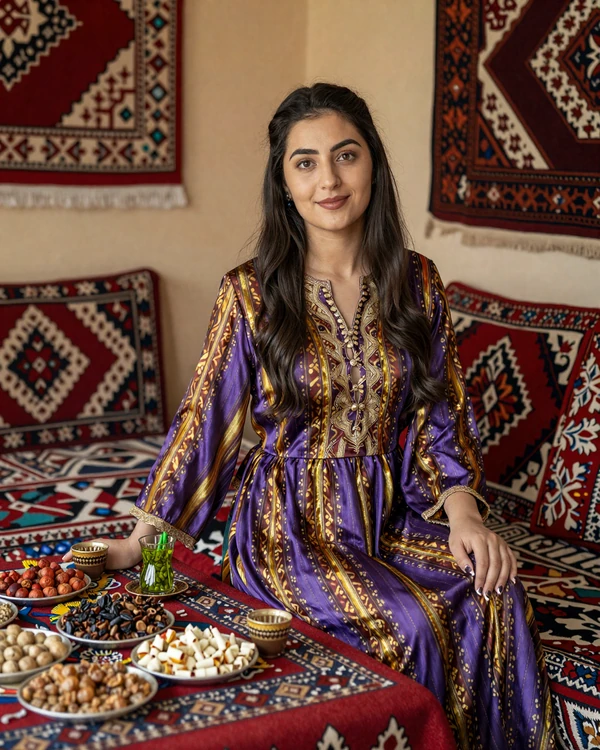
Nowruz (March 21) has been Central Asia's unofficial "season of love" for millennia. In Tajikistan, the 13 days of Nowruz celebrations provide natural opportunities for courtship: communal sumalak preparation (where young men and women interact under family supervision), haft-sin table visits between families, and public festivals with music and dancing. If your relationship timeline aligns with Nowruz, participating in these traditions - even remotely via video call - demonstrates cultural respect that her family will deeply appreciate. Send her family a Nowruz gift (dried fruits, sweets, or flowers) to mark the occasion, and you'll be remembered as the American who "understood our heart."
Mehmonnavozi - Hospitality as the Language of Love
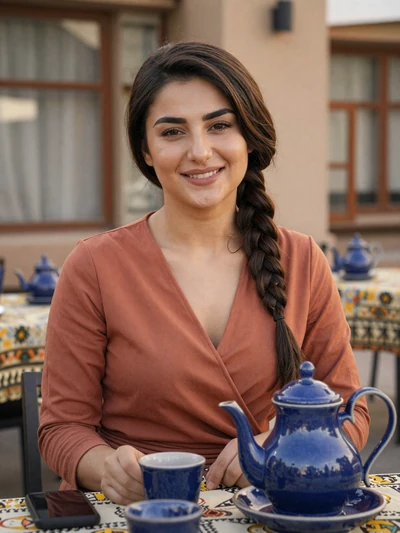
In Tajik culture, hospitality isn't a social nicety - it's a moral obligation ranked alongside prayer. The concept of mehmonnavozi means that any guest in a Tajik home receives the best food, the most comfortable seat, and undivided attention. A 2024 Pew Research survey found that 96% of Tajiks consider hospitality "extremely important" to their identity - the highest rate in Central Asia. When a Tajik woman enters your life, this hospitality becomes the fabric of your relationship. She'll prepare oshi palov with saffron and lamb that takes four hours to perfect, serve green tea in delicate piala cups, and ensure every meal feels like a celebration. This isn't performative - it's her deepest expression of love.