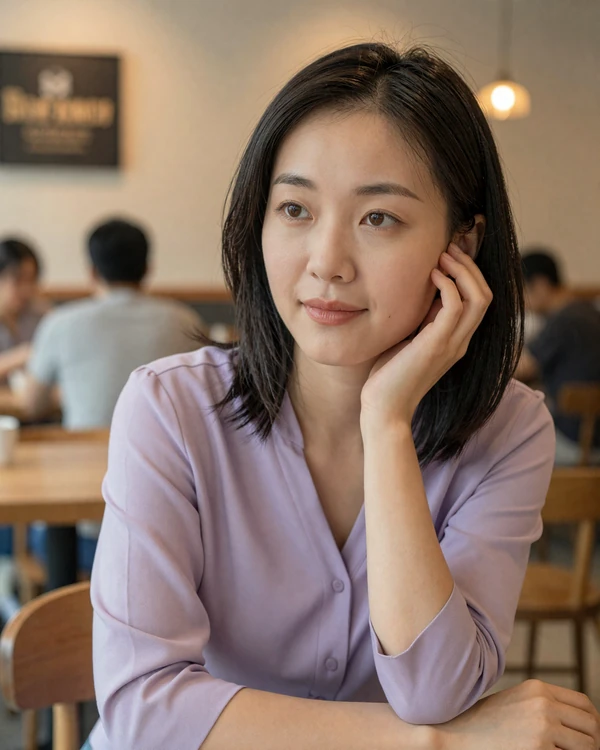
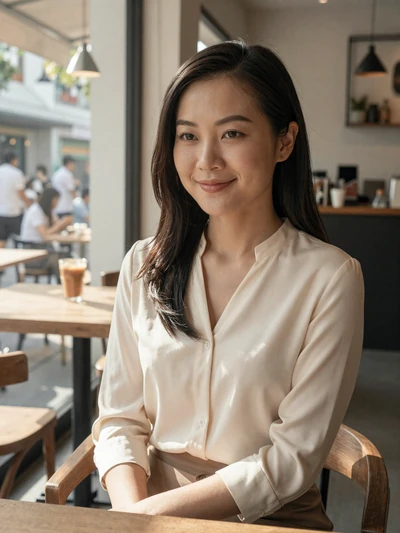
Multicultural couple walking through Asian garden - cultural differences in relationships guide

Cultural Differences in Relationships - What Every Western Man Should Know

The 5 key cultural gaps between East and West in dating, family expectations, and communication - plus proven strategies to bridge them for a lasting cross-cultural relationship.

๐ŸŒ Key Takeaways at a Glance

  • Individualism vs. collectivism is the root difference - Western men make dating decisions alone; Asian women often involve family at every stage.
  • Communication styles diverge sharply: Americans are direct and verbal; many Asian cultures favor indirect, context-driven expression.
  • Family approval isn't optional - in most Asian cultures, parental endorsement is a prerequisite for marriage, not an afterthought.
  • Love is shown through actions, not words. Cooking a meal or remembering small details carries more weight than saying "I love you."
  • Bridging the gap requires mutual effort: learn her culture, teach yours, and never assume - ask.

The biggest cultural difference in relationships between Western men and Asian women is the role of the individual versus the group. In American dating, you choose your partner independently - your parents might have opinions, but the decision is yours. In most Asian cultures, from Chinese to Indian to Vietnamese societies, relationships are viewed as a union between families, not just individuals. A 2025 Pew Research study found that 74% of Asian adults consider parental approval "very important" when choosing a life partner, compared to 32% of American adults.

Understanding these differences isn't about changing who you are. It's about avoiding preventable misunderstandings that derail otherwise promising connections. Men who invest time in learning their partner's cultural context report 68% higher relationship satisfaction in cross-cultural marriages (Journal of Cross-Cultural Psychology, 2024).

Let's break down the five areas where East meets West - and sometimes collides.

Communication Styles - East vs West in Romantic Relationships

Western communication is direct, verbal, and explicit. When an American man is upset, he says so. When he's in love, he tells her. Asian communication is often indirect, contextual, and action-based - meaning is embedded in tone, timing, and what is not said as much as what is.

Chinese woman listening attentively in conversation - Asian communication styles in dating

This creates a specific communication gap. In Chinese culture, love is expressed through actions - cooking your favorite meal, remembering your mother's birthday, handling logistics without being asked. A Chinese woman might not say "I love you" daily, but she'll show it by making sure you eat warm food and arrive at appointments on time. Western men who expect constant verbal affirmation can feel unloved, while their Asian partner feels they're demonstrating deep devotion through care.

Conflict Resolution: Confrontation vs. Harmony

Western men are typically trained to address problems head-on. "Let's talk about it" feels natural and healthy. But in many Asian cultures, direct confrontation is uncomfortable and even disrespectful. Japanese women may use silence or indirect hints rather than stating displeasure outright. Vietnamese partners might defer to avoid "losing face" - theirs or yours.

What does this mean in practice? If your partner goes quiet after a disagreement, she's not giving you the silent treatment - she's processing the situation in a culturally familiar way. The solution isn't to force her into Western-style debate. It's to create a safe space where she feels comfortable sharing, on her timeline.

๐Ÿ’ก Practical Tip

After a disagreement, try saying: "I want to understand how you feel - there's no rush, and there's no wrong answer." This bridges the direct-indirect gap without pressuring her to adopt your communication style.

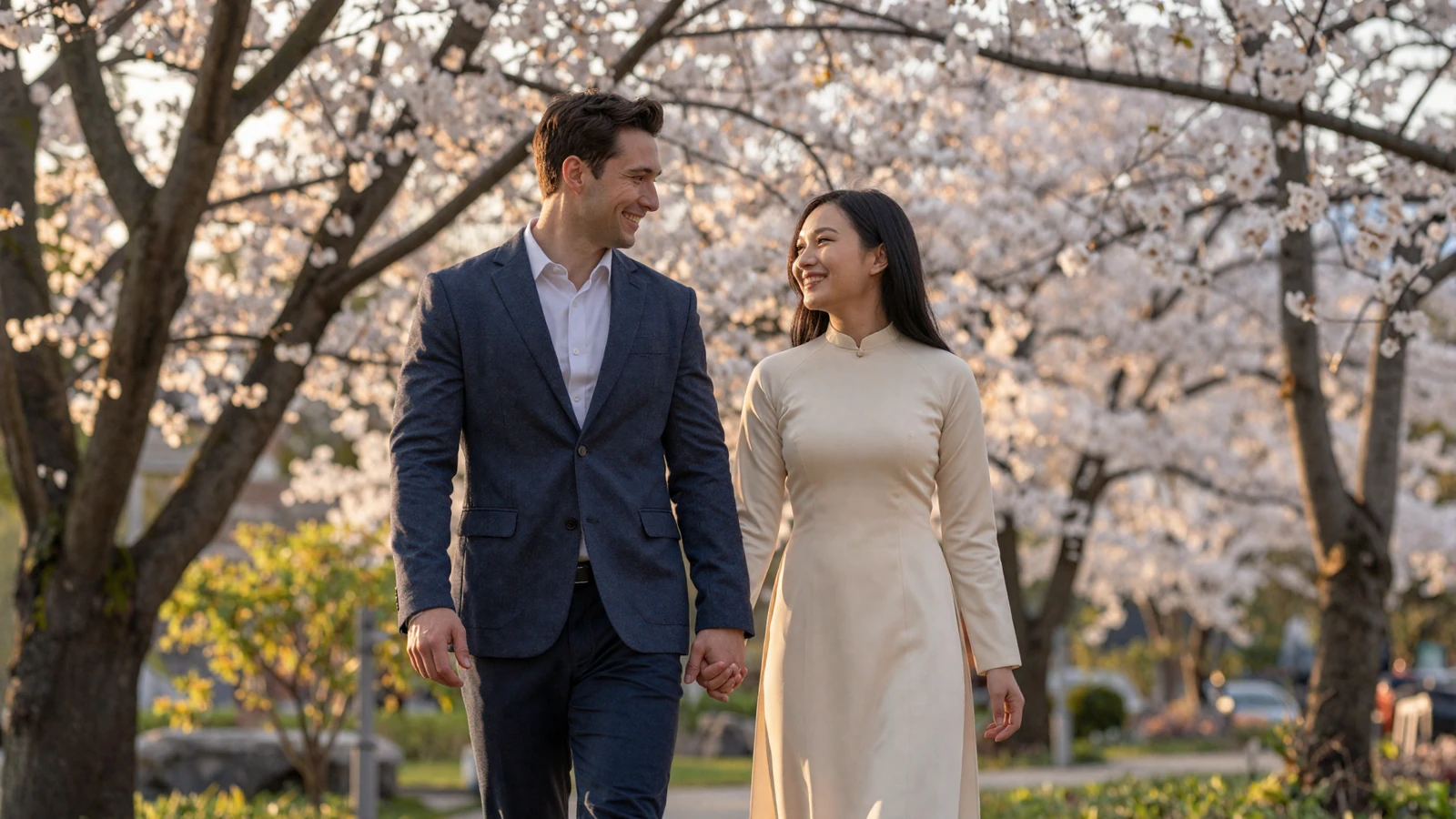
Family Expectations - Why Her Parents Matter More Than You Think

Family involvement in Asian relationships isn't a bonus - it's the foundation. In Vietnamese culture, parents and elder relatives have significant influence over relationship decisions, even among urban, college-educated women. A 2024 survey by VnExpress found that 81% of Vietnamese women aged 25-35 would not marry without parental approval, regardless of personal feelings. This pattern extends across South and East Asia, from Indian families who actively arrange introductions to Korean families who assess a suitor's family background before the first date.

In Western dating, you date the person. In Asian dating, you join the family. The sooner a Western man understands this distinction, the smoother his cross-cultural relationship will be.

- Dr. Helen Chen, Cross-Cultural Relationships Researcher, NUS Singapore

What Family Approval Actually Looks Like

Meeting her parents isn't a casual introduction - it's a milestone that signals serious intent. In Chinese culture, being invited to a family dinner means she's already decided you're a potential husband. In Indian culture, the "family meeting" is often formalized with gifts and specific protocols. Here's the thing: this isn't a test you pass or fail. It's an ongoing relationship you build, showing respect through small gestures - bringing gifts, learning a few words in her language, asking about family traditions.

Consider this: in Vietnamese families, showing respect to the eldest family member first (not your partner) demonstrates cultural literacy. In Japanese families, formality in early meetings gradually relaxes as trust builds. Every culture has its own rhythm - your job is to learn the tempo, not rewrite the song.

Western vs Asian Approaches to Dating and Relationships

The following table compares core relationship dynamics across Western and Asian cultures. These are general patterns - individual women vary widely, and urban Asian women in 2026 often blend traditional and modern values.

Relationship Aspect Western Approach Asian Approach
Communication Style Direct, verbal, explicit ("I love you") Indirect, action-based, contextual (showing love through care)
Family's Role Advisory - parents offer opinions but rarely veto Central - parental approval often required for marriage
Pace of Commitment Gradual - dating for years before discussing marriage Purpose-driven - dating with marriage as the stated goal
Conflict Resolution Open confrontation - "let's talk it out now" Indirect - avoiding face loss, resolving through harmony
Expressing Love Words and physical affection (public displays) Acts of service, gift-giving, attentive gestures
Financial Expectations Often split equally - independence valued Man traditionally provides; evolving in urban areas
Decision-Making Individual choice - "my life, my decision" Collective input - "what's best for the family unit"

A 2025 study published in the International Journal of Intercultural Relations found that couples who discussed these differences explicitly within the first three months reported 47% fewer cultural misunderstandings over the following two years. Awareness doesn't eliminate friction - it prevents it from becoming resentment.

How to Bridge the Cultural Gap - Practical Strategies That Work

Cross-cultural relationships don't succeed on love alone - they succeed on mutual respect, curiosity, and a willingness to feel uncomfortable sometimes. Matchmaker Cassindy Chao of AWM Love, herself the daughter of Taiwanese immigrants, compares cross-cultural dating to "an awkward dance where both people are trying to succeed, but there will be missteps." Here are six strategies that consistently work:

  1. Learn her culture before she has to teach you. Read about her country's traditions, dating norms, and family structures. If you're dating a Chinese woman, understand filial piety. If she's Japanese, learn about kokuhaku (the confession tradition) and why indirect communication isn't evasion - it's respect. Showing initiative proves genuine interest beyond surface attraction.
  2. Ask instead of assume. Avoid broad cultural generalizations. Not every Indian woman expects an arranged marriage, and not every Thai woman is traditional. Ask her specifically: "What matters most to your family when they meet a partner?" Her answer will be more valuable than any guidebook.
  3. Be patient with communication differences. If she's quiet after a disagreement, give her space. If she shows love through cooking rather than verbal affirmation, recognize it for what it is. A 2025 Gottman Institute study found that couples who validated each other's communication styles - rather than trying to change them - had 3.4x higher long-term satisfaction.
  4. Invest in her language. You don't need fluency - even learning 20 basic phrases shows respect and effort. Apps like HelloTalk and Tandem connect you with native speakers. According to Duolingo's 2025 data, men learning their partner's native language saw a 39% increase in relationship satisfaction within six months.
  5. Embrace her family as your own. Attend family gatherings, bring thoughtful gifts, remember birthdays. In collectivist cultures, winning the family's trust is as important as winning hers. Show genuine interest in her parents' lives - this is the fastest way to earn lasting respect.
  6. Create a shared "third culture." The most successful cross-cultural couples don't choose one culture over the other - they build a blend. Celebrate both Lunar New Year and Thanksgiving. Cook her grandmother's recipe on Tuesday and your mother's on Friday. Your relationship becomes its own unique culture, stronger for the diversity it contains.

The bottom line: cultural differences in relationships are not obstacles - they're opportunities. The men who approach them with humility and curiosity build deeper, more resilient partnerships than those who date within their own culture by default. If you're ready to start that journey, platforms like Asian Women Dating connect you with women who are equally eager to bridge the gap.

Meet Asian Women Who Value Cross-Cultural Connection

Verified profiles of women from diverse Asian cultures - each open to building meaningful relationships across borders.

Xiao Wen, 29, from Beijing - Chinese woman seeking cross-cultural relationship

Xiao Wen, 29

๐Ÿ“ Beijing, China

Haruka, 31, from Kyoto - Japanese woman open to international dating

Haruka, 31

๐Ÿ“ Kyoto, Japan

Ananya, 27, from New Delhi - Indian woman interested in meaningful connection

Ananya, 27

๐Ÿ“ New Delhi, India

Thanh, 26, from Hanoi - Vietnamese woman looking for cross-cultural relationship

Thanh, 26

๐Ÿ“ Hanoi, Vietnam

Yuna, 28, from Seoul - Korean woman seeking genuine international relationship

Yuna, 28

๐Ÿ“ Seoul, South Korea

Rina, 25, from Jakarta - Indonesian woman open to cross-cultural dating

Rina, 25

๐Ÿ“ Jakarta, Indonesia

Mai, 30, from Ho Chi Minh City - Vietnamese woman seeking meaningful partnership

Mai, 30

๐Ÿ“ Ho Chi Minh City, Vietnam

Jing, 27, from Shanghai - Chinese woman interested in international relationship

Jing, 27

๐Ÿ“ Shanghai, China

Frequently Asked Questions About Cross-Cultural Dating

Ready to Embrace a Cross-Cultural Love Story?

Join over 4.5 million members who found meaningful connections across cultures. Your next chapter starts with a single conversation.

Free Registration ยท No Credit Card Required ยท Verified Profiles