Asian wedding traditions are among the most visually stunning, symbolically rich, and family-centered celebrations on earth. If you're an American man who has found love with an Asian woman through Asian women dating platforms - or is considering finding love overseas - understanding these customs isn't optional. It's the foundation of a respectful, lasting marriage. This guide breaks down wedding traditions across three major regions so you walk into your ceremony with confidence, not confusion.
South Asian Wedding Traditions - Color, Ceremony, and Family Celebration
South Asian weddings are multi-day festivals of color, music, and sacred ritual. They are the longest and most elaborate wedding celebrations in Asia, with Indian weddings averaging 3-5 days and costing between $15,000 and $100,000+ depending on family wealth (WeddingSutra, 2025). The Confucian model of family hierarchy - where family harmony is the highest social good - resonates across South Asia's Hindu, Muslim, and Buddhist traditions alike, even where Confucianism itself isn't practiced directly.
Key Indian Wedding Rituals
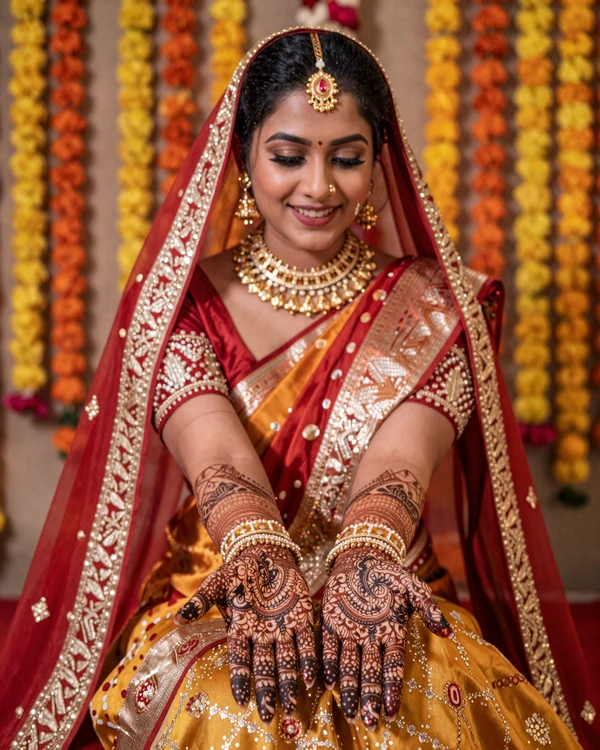
- Mehndi (Henna Ceremony): The bride's hands and feet are decorated with intricate henna patterns, often incorporating the groom's initials. This pre-wedding event is a celebration among women of the family.
- Sangeet: A musical night of dancing, singing, and family performances - think of it as a combined rehearsal dinner and talent show. Both families participate.
- Baraat: The groom's procession to the wedding venue, traditionally on horseback (or in a decorated car). As a Western groom, you will likely be expected to participate - and yes, dancing is encouraged.
- Pheras: The core Hindu ceremony where the couple circles a sacred fire seven times, each round representing a marriage vow (prosperity, strength, happiness, progeny, harmony, longevity, friendship).
- Vidaai: The emotional farewell when the bride leaves her parents' home. Be prepared for tears - this is one of the most emotionally intense moments in any Asian wedding.
Pakistani and Bangladeshi weddings share many of these elements but incorporate Islamic customs like the Nikah (marriage contract) and Walima (reception hosted by the groom's family). Sri Lankan weddings blend Buddhist Poruwa ceremonies with Hindu traditions depending on the family's background.
💡 Pro Tip for Western Grooms
Start learning about your partner's specific regional and religious traditions early - India alone has 29 states, each with distinct wedding customs. Ask her family directly what they expect. This shows respect and earns enormous goodwill.
East Asian Wedding Customs - Elegance, Symbolism, and Respect
East Asian weddings tend to be shorter but no less meaningful than South Asian celebrations. Confucian values of filial piety, respect for elders, and family harmony shape every element - from the tea ceremony to the seating arrangement. If you're dating a Japanese woman or Korean woman, here's what to expect on your wedding day.
Japanese Shinto Wedding (Shinzen Shiki)
A Shinto ceremony typically lasts 20-30 minutes and takes place at a shrine. The couple performs the San-San-Kudo (three-three-nine-times) ritual - sharing sake from three cups in three sips each, symbolizing the binding of two families. Only close family attends the ceremony; a larger reception follows. Interestingly, Japan's unique Valentine's Day tradition - where women give chocolate to men on February 14, and men reciprocate on White Day (March 14) - reflects the culture's thoughtful approach to romantic gestures, a pattern that carries into wedding gift exchange.
Korean Pyebaek Ceremony
After the main ceremony, the Korean Pyebaek is a private family ritual where the bride and groom bow deeply to the groom's parents, offering dates and chestnuts (symbols of fertility). The parents then throw the dates and chestnuts back - the bride tries to catch them in her skirt, and the number caught is said to predict how many children they'll have. It's joyful, informal, and deeply touching.
Chinese Tea Ceremony
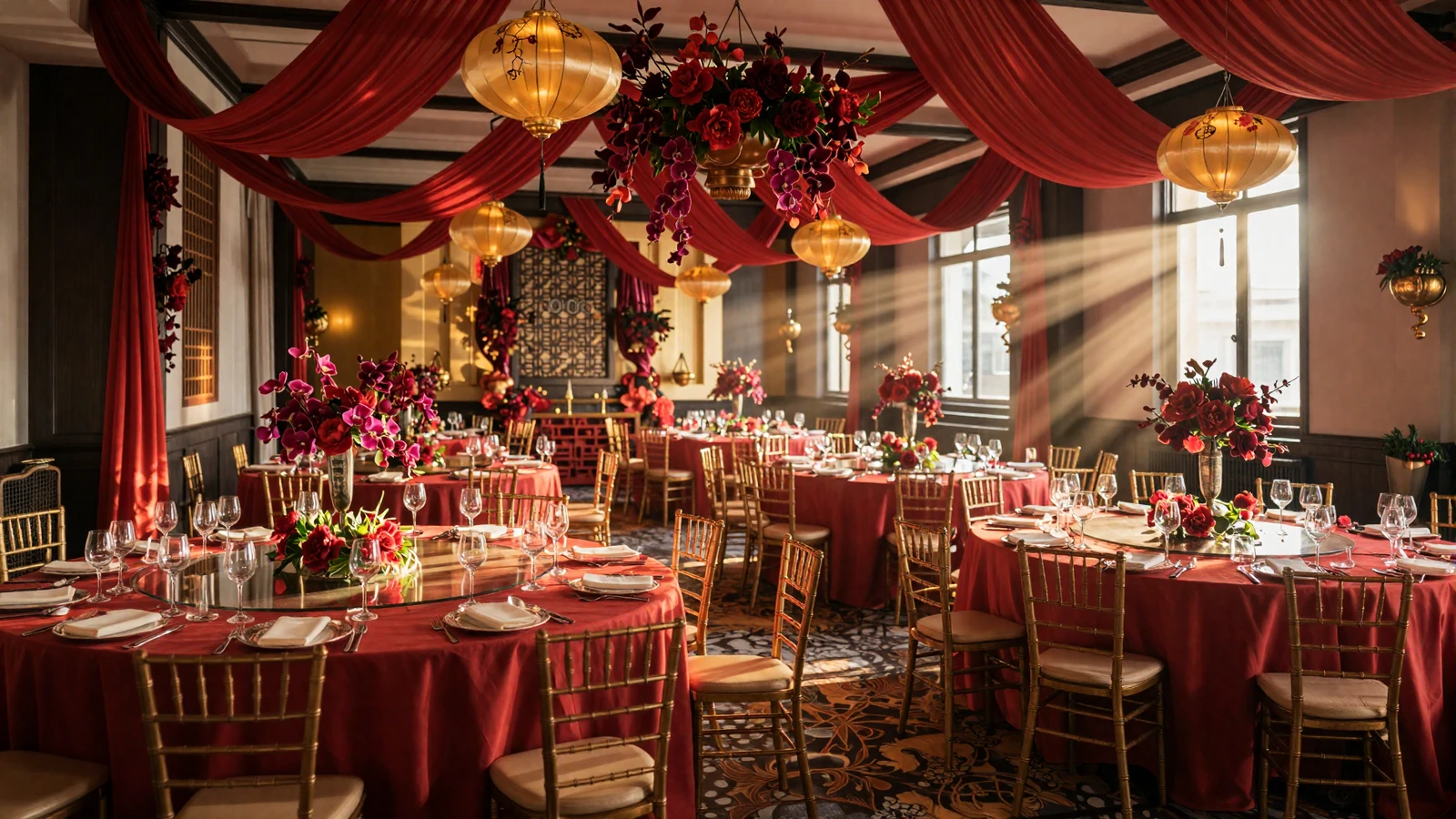
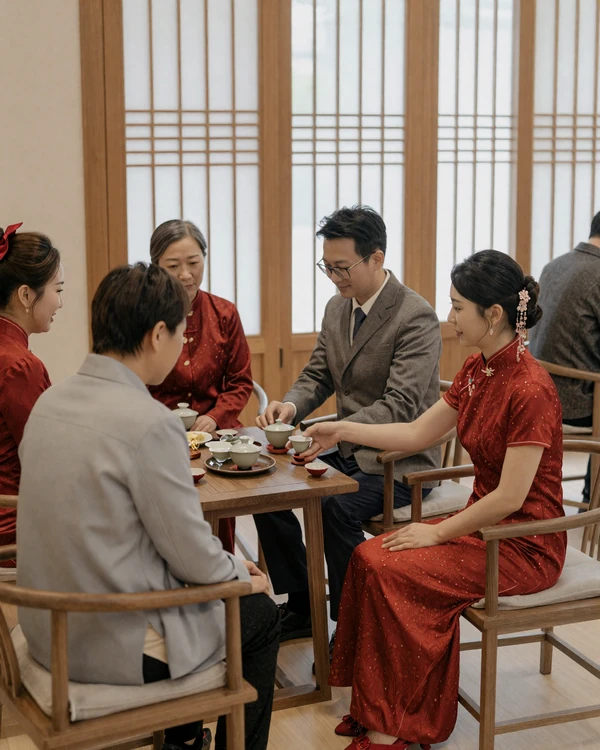
The Chinese tea ceremony (Cha Dao) is the most important wedding ritual. The couple kneels before each set of parents and serves tea, receiving blessings and red envelopes (hongbao) containing cash gifts in return. The order of service follows strict family hierarchy. Red and gold dominate the decor - red symbolizes luck and joy, gold represents wealth. The double happiness symbol (囍) appears on everything from invitations to tablecloths.
- 🏮 Red envelopes: Cash gifts in even numbers (never odd, which is associated with funerals). Amounts ending in 8 are considered especially lucky.
- 🦢 Cranes: Symbolize longevity and fidelity - a common motif in Japanese and Korean weddings.
- 🎋 Bamboo: Represents resilience and strength in marriage.
Southeast Asian Wedding Rituals - Warmth, Spirituality, and Community
Southeast Asian weddings are characterized by warmth, community participation, and a beautiful blend of religious and animistic traditions. Whether you're marrying a Filipina, a Thai woman, or a Vietnamese partner, expect the entire community to be involved.
Filipino Wedding Sponsor System
Filipino Catholic weddings feature a unique sponsor system: multiple pairs of Ninongs (godfathers) and Ninangs (godmothers) stand with the couple, each pair representing a role - veil sponsors, cord sponsors, candle sponsors. It's an honor to be asked, and sponsors are expected to contribute financially and spiritually to the marriage. The Arras (13 coins blessed by the priest) symbolize the groom's commitment to provide for his family.
Thai Water Blessing (Rod Nam Sang)
In Thai Buddhist weddings, the couple kneels together while guests pour blessed water over their joined hands. Each elder offers a blessing as they pour. The morning typically begins with monks chanting and receiving alms. The bride price (Sin Sod) is presented to the bride's parents - not as payment, but as proof of the groom's financial stability and respect. Amounts range from symbolic to substantial depending on the family.
Vietnamese Lac Hong (Engagement Ceremony)
Before the wedding itself, Vietnamese tradition requires the Lac Hong - a formal engagement ceremony where the groom's family brings elaborate gift boxes (mam quả) of betel leaves, areca nuts, tea, wine, fruit, and cake to the bride's family. The number of boxes must be odd (5, 7, 9, or 11), and each has specific symbolic meaning. When meeting the Vietnamese family, greet all members - especially elders - with respect both upon arrival and departure. The Vietnamese language has a complex system of honorific pronouns based on age and family relation; learning even basics shows remarkable cultural sensitivity.