How Nomadic Heritage Shapes Mongolian Approaches to Love
Mongolian dating culture is fundamentally different from what you'll encounter in any other Asian society. The nomadic worldview treats relationships as practical partnerships first and romantic unions second - not because Mongolians lack romance, but because centuries on the steppe taught them that a successful partnership requires complementary skills, mutual respect, and shared work before it requires candlelit dinners. A 2025 Mongolian National University of Education study found that 81% of rural Mongolian women ranked "shared work ethic and reliability" as the most important quality in a partner - above physical attractiveness, wealth, or social status.
Traditional Courtship - The Ger (Yurt) Culture Connection
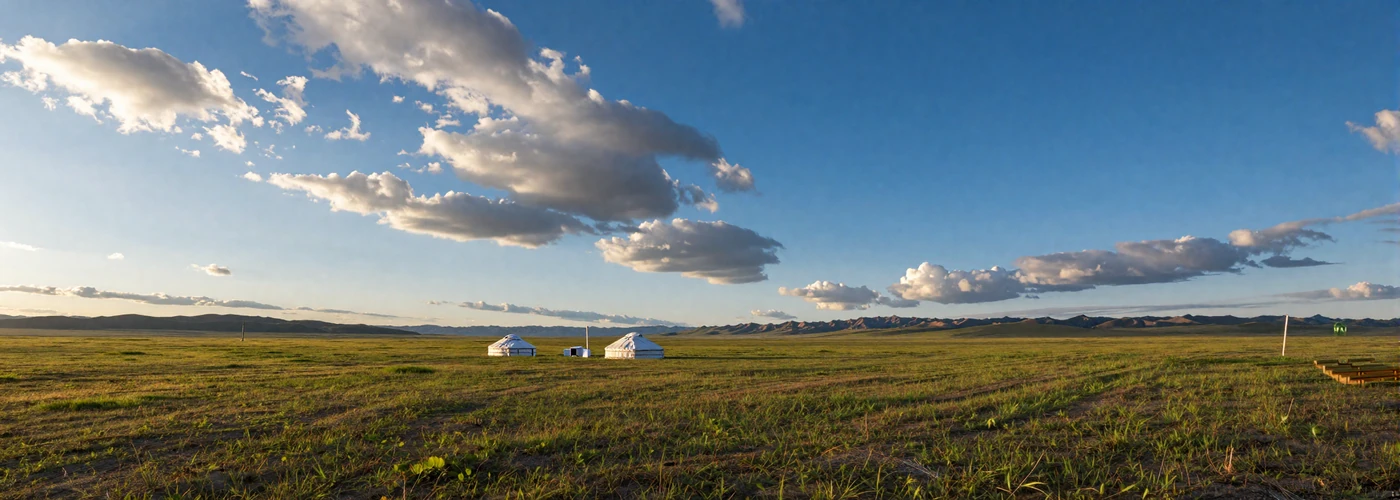
In traditional Mongolian society, courtship often begins during communal gatherings - Naadam festivals, seasonal migrations, or local tsagaan sar (White Moon/Lunar New Year) celebrations. A man who wants to court a woman demonstrates his worth through practical skills: horse riding, wrestling prowess, archery accuracy, and - critically - his ability to help her family. The traditional Mongolian proverb says, "A good husband builds the ger frame; a good wife makes it a home." This partnership dynamic remains deeply embedded in modern Mongolian dating expectations.
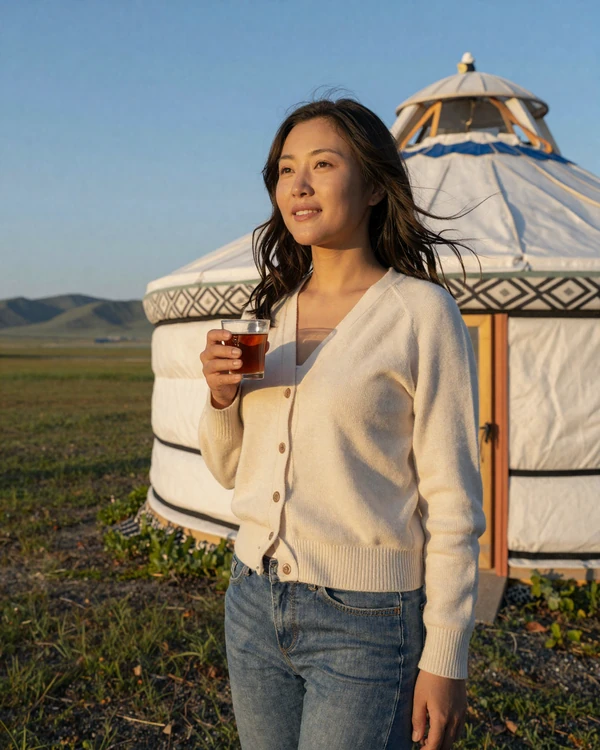
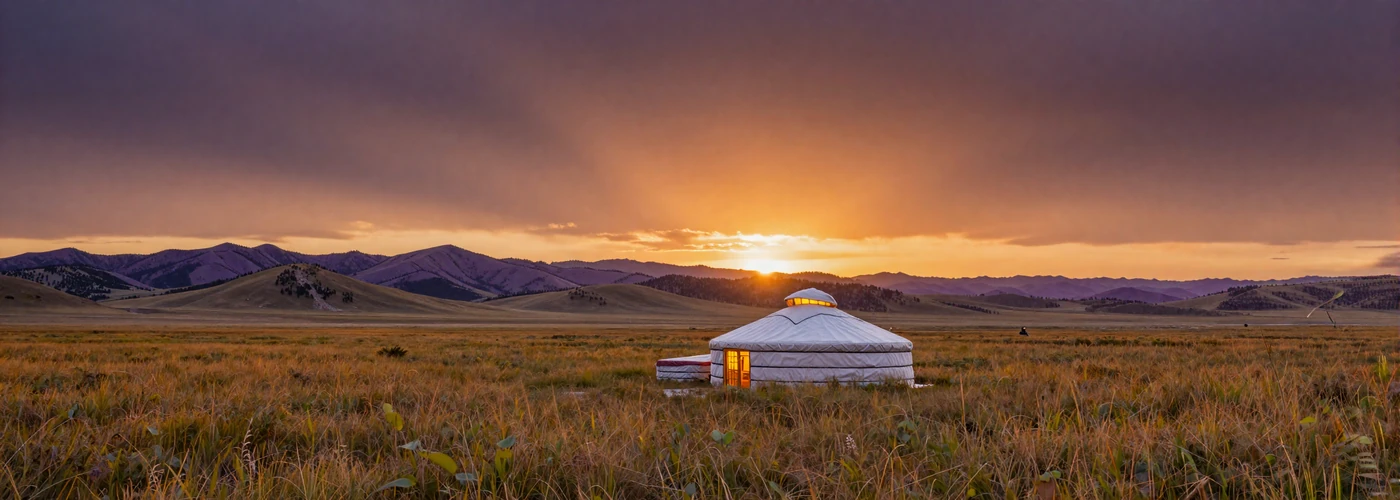
The ger itself is symbolically central to Mongolian relationships. A nomadic family's circular tent represents the universe in miniature - the center pole connects earth to sky, the door always faces south toward the sun, and every object has a designated place. When a couple decides to marry, the construction of their own ger - or the modern equivalent, setting up their first apartment - is a profound ritual. It signals that they're creating their own micro-universe together.
On the steppe, a woman doesn't choose a man because he's handsome - she chooses him because he can weather the storm beside her. That ancient wisdom still guides Mongolian hearts today.
- Dr. Batbayar Tserendorj, Cultural Anthropology, National University of Mongolia
Hospitality Customs - Airag and the Sacred Guest Tradition
Mongolian hospitality is legendary - and it's one of the first cultural experiences you'll encounter when dating a Mongolian woman. When you visit her family (or meet them over video call), expect to be offered airag (fermented mare's milk), suutei tsai (salty milk tea), buuz (steamed dumplings), and aaruul (dried curd). Refusing these offerings is considered deeply disrespectful. The correct response is to accept with your right hand (or both hands), taste everything offered, and express genuine appreciation.
Here's where it gets interesting: this hospitality isn't just politeness - it's a character test. Mongolian families observe how a guest receives their offerings to gauge their character. A man who accepts food graciously, praises the cooking, and shows interest in the family's life passes the first unspoken evaluation. According to anthropologist Dr. Jack Weatherford, author of Genghis Khan and the Making of the Modern World, "Mongolian hospitality is simultaneously an act of generosity and an assessment of worthiness - it's both a gift and a mirror."
Modern Dating in Mongolia - The Ulaanbaatar Revolution
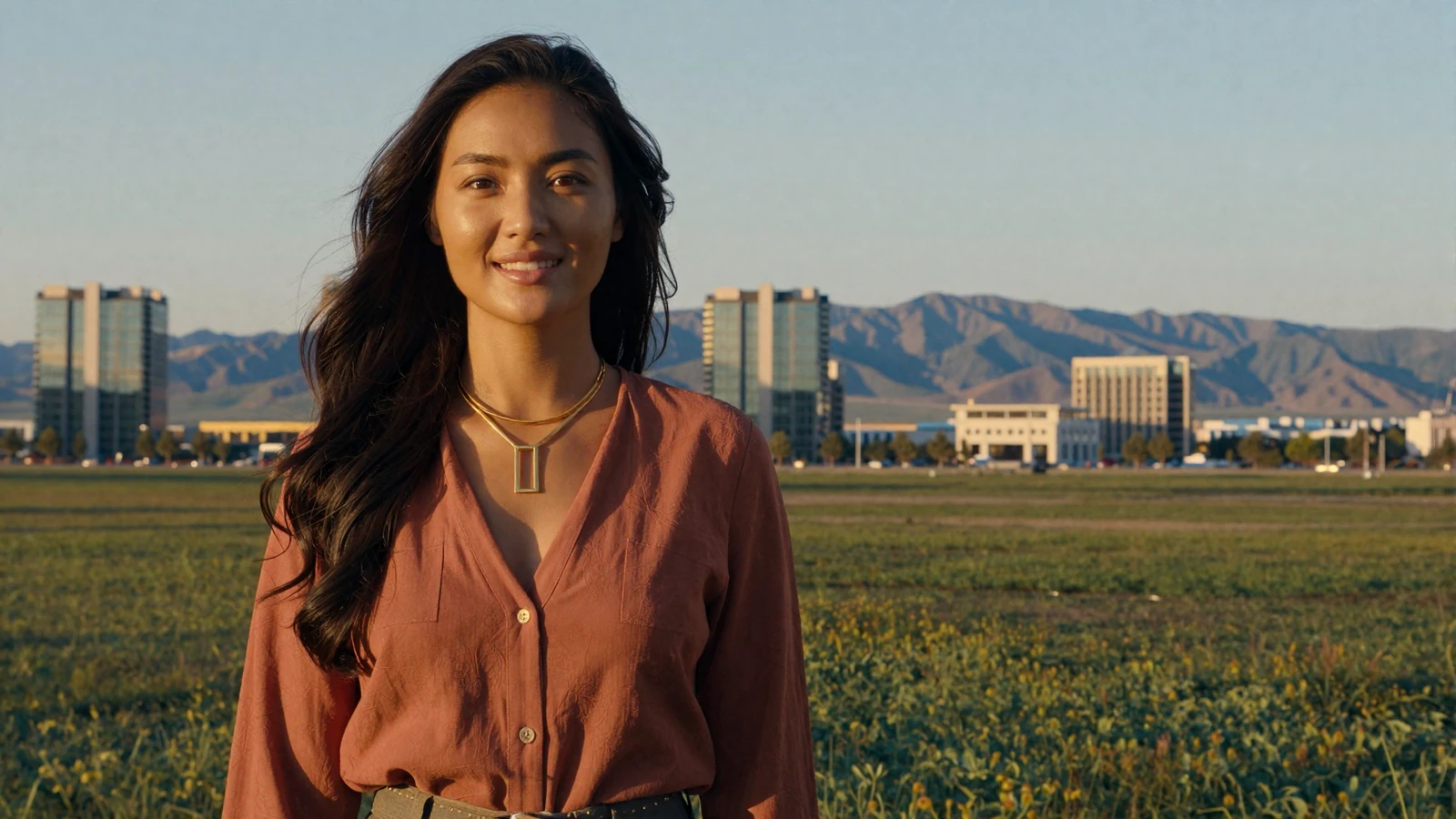
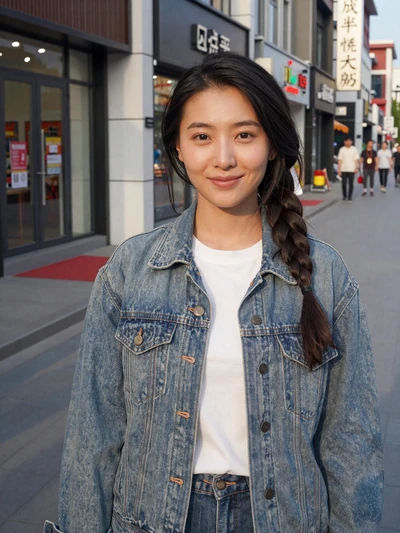
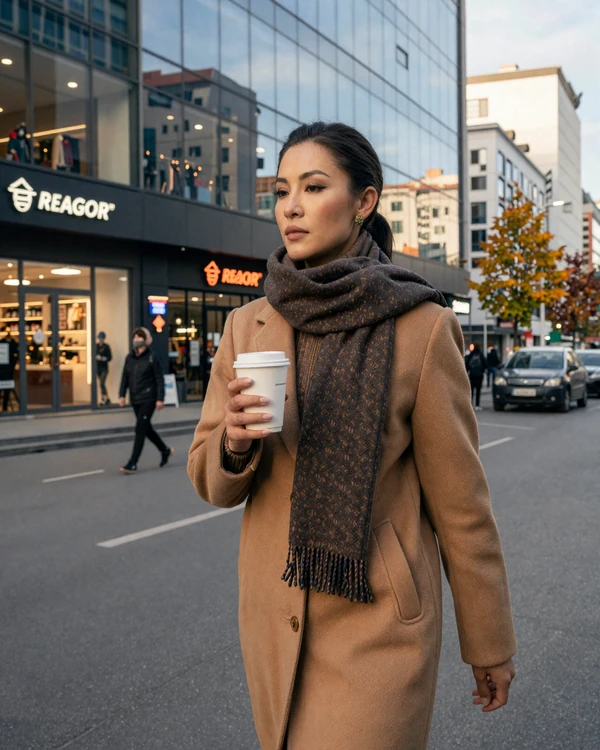
While traditional nomadic courtship still governs rural relationships, Ulaanbaatar - home to 1.6 million people - has developed its own vibrant dating culture that blends Mongolian traditions with global influences. Young Mongolian women in UB (as locals call it) use dating apps, frequent trendy cafés and restaurants, attend Korean-influenced fashion events, and maintain active social media presences. The Mongolia Internet Usage Report (2025) notes that 78% of Mongolians aged 18-35 use smartphones, and dating app usage has grown 340% since 2020.
But modernization hasn't erased traditional values. A 2025 Sant Maral Foundation survey found that even among Ulaanbaatar's most cosmopolitan women, 72% considered family approval "very important" before committing to a serious relationship. The modern Mongolian woman isn't choosing between tradition and modernity - she's synthesizing both, creating a partner who's globally aware yet culturally grounded.